
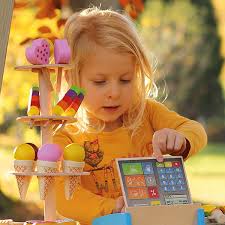
It can feel like a maze when you want to send your wonderful sensory wooden toys overseas. You pour your heart into making these special items. You want kids in the USA and Germany to enjoy them. But then you hit a wall with all the rules and what-ifs. It’s okay to feel a bit overwhelmed. Many makers feel the same way. This guide is here to walk you through it, step by step.
We’ll look at what makes your toys great. We’ll also cover how to make sure they get where they need to go, safely and legally. Think of me as your guide. I’ve seen this path before. Let’s make this journey smoother for you and exciting for the children who will play with your creations.
Exporting sensory wooden toys to the USA and Germany involves understanding specific safety standards, labeling requirements, and customs procedures for each region. Key areas include ensuring compliance with toy safety directives like ASTM F963 in the US and EN 71 in the EU (Germany), proper material sourcing, and correct documentation for smooth customs clearance.
Understanding Sensory Wooden Toys
What exactly are sensory wooden toys? They are more than just playthings. These toys focus on touch, sight, and sound. They often have natural wood textures. They might have gentle sounds or bright, engaging colors. The goal is to help children explore the world. They develop fine motor skills too. Babies can grasp them. Toddlers can stack them. Older kids can use them for pretend play. They connect children to nature. This connection is very important today.
Wood itself is a fantastic material. It feels good in the hand. It’s durable. It’s often seen as safer and more natural than plastic. This is a big selling point. Parents are looking for alternatives. They want toys that are good for their kids. They also want toys that are good for the planet. Your commitment to this matters greatly.
Why Export to the USA and Germany?
The USA and Germany are fantastic markets. They have a strong demand for high-quality children’s products. Parents in both countries value safety and developmental benefits. They are willing to spend on toys that support their child’s growth. The market for natural and eco-friendly toys is growing fast. This is great news for you.
In the USA, there’s a huge number of families. They are always looking for new and safe toys. Germany, as part of the EU, has a similar mindset. They also have a strong tradition of appreciating well-made, durable goods. Plus, they have high standards. Meeting these standards shows you create top-notch products. It opens doors to millions of happy children.
Navigating USA Toy Safety Regulations
The main set of rules in the USA is the Consumer Product Safety Improvement Act (CPSIA). This law covers many product types. For toys, the key standard is ASTM F963. This is a detailed safety document. It sets limits for lead and other chemicals. It covers physical and mechanical hazards too. Think about small parts. Think about sharp edges. These are all covered.
You need to make sure your sensory wooden toys meet these rules. This might involve testing. You might need a Children’s Product Certificate (CPC). This is a document that says your toy is safe. It needs to be from a CPSC-accepted third-party laboratory. This sounds complex. But it is vital for selling in the US market. Safety is the top priority for US parents and regulators.
Key USA Compliance Points
Lead and Phthalates are big concerns. CPSIA sets strict limits. Your paint and finishes must be safe. They cannot contain more than 90 ppm of lead. They also must not have certain phthalates. Make sure your wood is also safe. It should not have harmful treatments.
Physical Hazards are another area. Think about choking hazards for young children. Are there small parts that could break off? Are there sharp edges or points? The toy must be sturdy. It should be made to last. It should not pose a risk during normal play. Or even during foreseeable misuse.
Labeling is also important. You need permanent labeling. This includes where the toy was made. It also includes your business name or mark. This helps with tracking if there’s ever a problem. It’s all about traceability and safety.
USA Toy Safety Checklist
- Chemicals: Low lead content in paint/finishes. No banned phthalates.
- Physical: No small parts for children under 3. No sharp edges. Sturdy construction.
- Flammability: Materials should not be easily flammable.
- Electrical: If applicable, all electrical parts must be safe. (Likely not for wooden toys).
- Age Grading: Toys must be clearly labeled for the intended age group.
- CPSC Certification: Obtain a Children’s Product Certificate (CPC).
- Tracking Label: Include manufacturer/importer information.
German and EU Toy Safety Standards
Germany follows the European Union’s toy safety directive. This is called EN 71. This is a very comprehensive set of rules. It is divided into different parts. Each part covers a specific aspect of safety. It’s similar to the US rules but with its own details. Like the US, it covers chemical safety. It covers mechanical and physical safety. It also covers flammability and hygiene.
To sell in Germany, your toys must comply with EN 71. You’ll need to declare this compliance. This is often done with a Declaration of Conformity (DoC). You will also need to put the CE mark on your product. This mark shows that your toy meets EU safety standards. It’s like a passport for your toys to enter the EU market.
Key EU (Germany) Compliance Points
Chemicals: EN 71-3 is very important. It sets migration limits for 19 elements, including lead, cadmium, and mercury. This means how much of these elements can get into a child’s body from the toy. Paints, varnishes, and plastics all need to be checked.
Mechanical and Physical Properties: EN 71-1 deals with this. It looks at things like strength, stability, and how parts fit together. It aims to prevent injuries from sharp points or edges. It also covers small parts and how they might be a choking risk. It considers things like strings and cords, which have length limits.
Flammability: EN 71-2 addresses this. It says toys must not be a fire risk. They should not ignite easily. They must not spread flames. For wooden toys, this is usually less of an issue than for plush or plastic toys. But it’s still a requirement to consider.
Age Marking: Like in the US, clear age grading is essential. This helps parents choose appropriate toys. It also links back to the safety assessments. A toy for an infant has much stricter requirements than one for a 10-year-old.
Documentation: You will need a Declaration of Conformity (DoC). This is a written statement. It says your toy meets all relevant EU directives, including EN 71. You also need to keep technical documentation. This proves your compliance. This includes test reports.
EU (Germany) Toy Safety Checklist
- Chemicals (EN 71-3): Strict migration limits for heavy metals and other elements.
- Mechanical/Physical (EN 71-1): Strength, stability, no sharp edges, choking hazard assessment.
- Flammability (EN 71-2): Toy materials must not be easily ignitable.
- Hygiene (EN 71-7): Specific rules for toy paints and finger paints.
- Age Marking: Clear indication of the suitable age range.
- CE Mark: Must be affixed to the product or its packaging.
- Declaration of Conformity (DoC): Written statement of compliance.
- Technical Documentation: Records to support the DoC.
Material Sourcing and Quality Control
The wood you use is very important. For sensory wooden toys, the natural feel is key. You want good quality, non-toxic wood. Hardwoods like maple, beech, or birch are often used. They are durable. They don’t splinter easily. Make sure the wood is sourced responsibly. Many customers care about sustainability. Look for FSC certified wood if possible.
Finishes are also critical. For paints and sealants, ensure they are certified non-toxic. They should be water-based. They should meet EN 71-3 and US lead standards. Natural oils like linseed oil or beeswax are also great options. They are safe and enhance the wood’s natural beauty.
Your quality control process is your best friend. Before you ship, check every toy. Look for any defects. Are there rough spots? Are colors applied evenly? Do parts fit together well? This attention to detail shows you care. It prevents returns and unhappy customers.
I remember a batch of wooden rattles I sent out once. They looked beautiful. But during a final check, I noticed a tiny splinter on one. It was barely visible. But it could have caused a scratch. I fixed every single one before packing. It took extra time. But knowing they were all perfect gave me peace of mind. Your customers will feel that too.
Material & Quality Control Tips
Wood Selection: Choose dense hardwoods like maple, beech, or birch. Ensure they are untreated with harmful chemicals.
Sustainable Sourcing: Look for FSC or similar certifications to show environmental responsibility.
Safe Finishes: Use only water-based, non-toxic paints, varnishes, or natural oils (like beeswax). Verify they meet EN 71-3 and US lead standards.
Regular Testing: Conduct periodic testing of your materials and finished products to ensure ongoing compliance.
Visual Inspection: Every toy should be visually checked for flaws before packing. Look for splinters, rough edges, or poor finishing.
Functional Checks: Ensure moving parts work smoothly. Stackable toys should stack well. Puzzles should fit together correctly.
Testing Your Wooden Toys
Testing is not optional. It is a legal requirement. For the USA, you need testing by a CPSC-accepted third-party lab. For the EU, you need testing to the EN 71 standards. Often, the same lab can do both. They will test your toys for chemical content. They will test for physical and mechanical hazards. They will check flammability if needed.
The cost of testing can seem high at first. But it is an investment. It protects your business. It protects the children playing with your toys. It ensures you can legally sell your products. Keep all your test reports and certificates safe. You will need them for your DoC and CPC.
When I first started exporting, I chose a lab that could test for both markets. It saved me time and money. They gave me a detailed report. It told me exactly what standards my toys met. It also pointed out areas that might be a concern. It helped me refine my designs. This proactive approach is key.
Choosing a Testing Laboratory
Accreditation: Ensure the lab is accredited for the specific standards you need (ASTM F963, EN 71 parts 1, 2, 3, etc.).
CPSC Acceptance: For the US market, the lab must be accepted by the Consumer Product Safety Commission (CPSC).
Dual Market Capability: Look for labs that can test to both US and EU standards to save time and money.
Expertise: Choose a lab with experience in toy safety and wooden products.
Clear Reporting: Ensure you receive easy-to-understand reports that clearly state compliance or identify issues.
Labeling and Packaging Requirements
This is where many exporters stumble. Each country has specific labeling rules. For the USA, you need that permanent tracking label. It should identify your business. It also needs the country of origin. For age grading, use clear language like “Not suitable for children under 3 years.”
In the EU (Germany), the CE mark is crucial. It must be visible and legible. If the toy is small, the CE mark might be on the packaging. You also need country of origin information. Age grading should be clearly marked. Often, the European standard warnings are also needed. These relate to choking hazards.
Packaging itself can be a safety issue. For example, plastic bags used for packaging can be a suffocation hazard. If you use them, they need a warning. Or they need to be a specific thickness. Check the rules for bags. Also, consider the durability of your packaging. It needs to protect the toys during transit.
I once received feedback that a warning label was too small on a toy. It was meant for a toddler. The label mentioned choking hazards. Apparently, the font was hard to read for parents. I immediately updated my packaging. I made the warning prominent. It’s a small detail. But it matters a lot for safety and trust.
Labeling and Packaging Essentials
USA:
- Permanent tracking label (manufacturer/importer ID, country of origin).
- Clear age grading (e.g., “Ages 3+”).
- Hazard warnings if applicable.
EU (Germany):
- CE mark (must be visible, legible, and indelible).
- Country of origin.
- Clear age grading.
- Specific EN 71 warnings (e.g., for small parts).
- Manufacturer/Importer contact details.
Packaging Safety:
- Suffocation warnings on plastic bags.
- Durable enough to protect the toy.
- Minimal packaging is often preferred for eco-conscious consumers.
Customs and Shipping
Getting your toys through customs can be a hurdle. You need accurate documentation. This includes commercial invoices. You’ll need packing lists. You’ll need certificates of origin. Your customs broker will guide you. They know the specific requirements for each country. They can help avoid delays. Delays can be costly and frustrating.
Shipping methods vary. You can use sea freight for larger orders. This is usually cheaper but slower. Air freight is faster but more expensive. For smaller sample shipments, postal services or express couriers work well. Consider insurance for your shipments. Protect yourself against loss or damage.
You’ll also need to understand duties and taxes. These are fees charged by the importing country. They depend on the type of product and its value. Your customs broker can give you an estimate. Be transparent about your product’s value. Incorrect declarations can cause major problems.
I once had a shipment delayed for weeks. It was because the customs form was filled out incorrectly. The product description was vague. They thought it might be something else. After much back and forth, we corrected it. But the delay was a big setback. Now, I triple-check all my paperwork. And I rely on an experienced broker.
Customs & Shipping Essentials
Documentation: Ensure you have all required documents: Commercial Invoice, Packing List, Certificate of Origin, Safety Certifications (CPC, DoC).
Customs Broker: Partner with a reliable customs broker in both the US and Germany. They are experts in import/export regulations.
HS Codes: Use the correct Harmonized System (HS) codes for your toys. These classify products for customs purposes.
Shipping Methods: Choose between sea freight, air freight, or express couriers based on cost, speed, and volume.
Duties & Taxes: Understand and budget for import duties, VAT (in Germany), and any other applicable taxes.
Insurance: Consider cargo insurance to protect your investment against loss or damage during transit.
Market Insights: What Sells Well?
For sensory wooden toys, certain types stand out. Think about open-ended play items. These are toys children can use in many ways. Stacking blocks are always popular. Wooden puzzles with chunky pieces are great for little hands. Grasping toys and teethers are essential for babies. And natural wood play food or tools encourage imaginative play.
Consider toys that focus on specific sensory experiences. Perhaps a wooden maraca with a gentle sound. Or a textured wooden ball. Colors are important too. Natural wood tones are classic. But muted, non-toxic colors also sell well. They fit into modern nursery decor.
Trends matter. Parents are looking for sustainable. They want durable. They want educational. Your toys tick many of these boxes. Emphasize the natural materials. Highlight the developmental benefits. Tell the story behind your brand. This connects with customers on an emotional level.
In Germany, there’s a strong emphasis on durability and longevity. Toys are often passed down. In the US, there’s a large market for unique, artisan-made items. Both markets appreciate good design. They value toys that last. Don’t try to be everything to everyone. Focus on what makes your toys special.
Popular Sensory Wooden Toy Categories
Stacking and Building: Blocks, rings, towers that help develop motor skills and spatial reasoning.
Grasping and Teething Toys: Simple shapes for babies to hold, explore textures, and soothe sore gums.
Puzzles: Chunky puzzles with knobs or simple shapes for problem-solving and fine motor practice.
Imaginative Play: Toy tools, play food, vehicles, or animal figures that inspire creative storytelling.
Sound and Music: Rattles, xylophones, or shakers that introduce gentle auditory stimulation.
Textured Toys: Items with varied surfaces to engage tactile senses.
Building Trust and Brand Reputation
Your reputation is built on trust. When you export, you are a foreign entity. You need to prove you are reliable. Clear communication is key. Respond to customer inquiries promptly. Be honest about your products. Share your certifications. Show your commitment to safety.
Highlight your brand story. Why did you start making these toys? What are your values? Many consumers want to connect with the maker. They want to know the “why” behind the product. Share photos of your workshop. Show the care that goes into each toy. This builds a human connection.
Seek out reviews. Positive reviews are gold. They act as social proof. They tell potential buyers that others have had a good experience. Respond to reviews, both good and bad. Address concerns professionally. This shows you care about customer satisfaction.
I once had a customer worry about a slight color variation in a wooden toy. I explained it was due to the natural wood grain. I also sent a picture of similar grain patterns. They were reassured. And they left a great review. It’s about being open and helpful. It builds lasting relationships.
Building Brand Trust Overseas
Transparency: Be open about your materials, manufacturing process, and safety certifications.
Communication: Respond quickly and professionally to all customer inquiries and feedback.
Storytelling: Share your brand’s journey, values, and passion for creating quality toys.
Visuals: Use high-quality photos and videos that showcase the craftsmanship and beauty of your wooden toys.
Customer Service: Go the extra mile to resolve any issues and ensure customer satisfaction.
Social Proof: Encourage and display customer reviews and testimonials prominently.
When to Worry and When It’s Normal
It’s normal for wood to have slight variations. These can be in grain pattern or subtle color shifts. They are part of the beauty of natural materials. They don’t affect the safety or function of the toy.
You should worry if there are signs of unsafe construction. This includes loose parts. It means rough edges or splinters. It means paint flaking off. If your toy has a strong chemical smell, that’s a red flag. If it doesn’t meet the safety standards we discussed, that’s a serious concern.
Pay attention to customer feedback. If multiple people report the same issue, investigate it. It could be a design flaw or a production problem. Don’t dismiss concerns. They are opportunities to improve. Your proactive stance on safety is your best defense.
Quick Tips for Export Success
Start small. Don’t try to export your entire catalog at once. Pick a few of your best-selling, most compliant toys. Research the regulations thoroughly. Understand the costs involved. Get your testing done early. Partner with good shipping agents or customs brokers. Build strong relationships.
Consider attending trade shows. There are many international toy fairs. This is a great way to meet buyers. It’s also a way to learn about market trends. Look for shows in both the US and Europe. This can give you valuable insights.
Finally, be patient. Exporting takes time and effort. There will be challenges. But with careful planning and attention to detail, you can succeed. Your wonderful sensory wooden toys deserve to be enjoyed by children everywhere.
Frequently Asked Questions
What is the main difference between US and EU toy safety standards?
While both aim for child safety, the US standard is primarily ASTM F963 under CPSIA, focusing on chemical limits, physical hazards, and flammability. The EU standard is EN 71, which is a directive with multiple parts covering chemicals (EN 71-3), mechanical properties (EN 71-1), flammability (EN 71-2), and more. Both require rigorous testing and documentation like CPC for the US and CE marking with a DoC for the EU.
How do I get a Children’s Product Certificate (CPC) for my wooden toys?
To get a CPC, your wooden toys must be tested by a CPSC-accepted third-party laboratory. The lab will assess your product against ASTM F963. Once compliant, the lab will issue a test report. You, as the manufacturer or importer, then issue the CPC based on this report. The CPC certifies that your product meets all applicable consumer safety rules.
Is beeswax safe for finishing wooden toys for export?
Yes, natural beeswax is generally considered safe for finishing wooden toys. It is non-toxic and provides a lovely, smooth finish. Ensure the beeswax you use is pure and has not been treated with any harmful chemicals. It meets the general safety requirements for both US and EU markets when used in its natural form.
What are the labeling requirements for toys imported into Germany?
Toys imported into Germany must carry the CE mark, clearly indicating conformity with EU standards. They also need the name and address of the manufacturer or importer. Country of origin labeling is mandatory. Age grading and relevant safety warnings, as specified by EN 71, must also be present on the toy or its packaging.
Can I test my own wooden toys instead of using a third-party lab?
No, for official compliance and certification (like the CPC for the US or to issue a DoC for the EU), you must use a CPSC-accepted third-party laboratory for testing. Self-testing is not sufficient to meet legal requirements for export markets. These labs have the accredited equipment and expertise to ensure full compliance.
What is the biggest mistake new exporters make with wooden toys?
A common mistake is underestimating the complexity of safety regulations and labeling requirements in different countries. Many assume compliance is simple, but precise documentation, specific testing protocols, and accurate marking are crucial. Failing to get these right can lead to shipment delays, costly rejections, or legal issues.
Conclusion
Exporting your lovely sensory wooden toys to the USA and Germany is achievable. It requires careful planning. Understanding safety rules is key. Accurate documentation and good testing are vital. Focus on quality and clear communication. Your dedication to creating safe, beautiful toys will shine through. Best of luck on your export journey!