
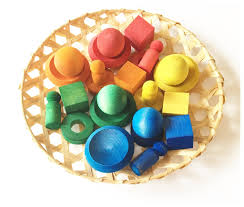
Finding the right wooden toys means looking beyond just the pretty shapes and cute characters. It’s about ensuring the colors used are safe for little hands and mouths. This guide will show you how to spot truly child safe dyes and finishes, so you can feel confident in your choices.
Understanding What Makes Wooden Toys Child Safe
Wooden toys are wonderful. They feel nice to touch. They often last a long time.
But not all wooden toys are made the same. The most important part to check is the paint or dye used. This is what your child might put in their mouth.
You want to be sure it won’t harm them. Safety is the top reason people choose wood. It feels natural and sturdy.
When we talk about “child safe dye” for wooden toys, we mean dyes that are non-toxic. They shouldn’t contain harmful chemicals. Think of things like lead, phthalates, or strong artificial colors.
These can cause health problems. Especially for young children whose bodies are still growing. They are more sensitive to bad stuff.
Manufacturers should follow strict rules for toy safety. In the U.S., standards exist. But it’s always good to know what to look for yourself.
Because sometimes, labels can be confusing. Or some companies might not be as careful as others.
The finish on a wooden toy is also key. This is the coating on top of the paint or the bare wood. It protects the toy.
It also affects how it feels. A safe finish won’t have bad fumes. It won’t chip off easily into small pieces.
So, in simple terms, child safe dye means color that won’t hurt your child. A safe finish means a protective coating that’s also okay for them to touch or even taste a little bit. It’s all about making playtime a happy and healthy time.
No worries about what’s on the toy.
My Own Toy-Finding Scare
I remember one time, years ago, when I was shopping for my niece. She was turning two. I found this absolutely adorable wooden rocking horse.
It was painted bright red and yellow. It looked so cheerful and classic. I pictured her laughing on it.
The price was good, too. I bought it without thinking too much. It felt like a perfect gift.
A few weeks later, my sister called me. She sounded worried. She said, “You know that horse you got Lily?
I noticed some of the paint is coming off. She loves to put her mouth on everything. I’m a bit concerned about what she might be eating.” My heart sank.
I suddenly felt this wave of panic. I hadn’t even looked at the paint quality. I just assumed it was fine because it was a wooden toy.
That moment really stuck with me. It taught me that just because a toy is made of wood, doesn’t automatically make it safe. I felt so guilty for not being more careful.
That was the day I started digging into what “child safe dye” really means.
Types of Safe Dyes and Paints for Wood
Water-Based Paints: These are a very common safe choice. They use water as the main ingredient. They dry fast.
They are low in VOCs (Volatile Organic Compounds). VOCs can be bad for breathing. They are easy to clean up too.
Vegetable-Based Dyes: Some toys use dyes made from plants. Like carrots or beets. These are very natural.
They are often very safe if a child licks them. They might not be as bright or last as long as other paints. But for very young babies, this is a big plus.
Natural Mineral Pigments: These come from the earth. Like iron oxides for reds and browns. Or titanium dioxide for white.
They are naturally colored minerals. When mixed with a safe binder, they can make lovely, stable colors. They are a trusted option.
Certified Non-Toxic Paints: Look for labels that say “certified non-toxic.” Some brands use paints that meet specific safety tests. These tests check for heavy metals and other bad things. It’s a good sign the paint is safe.
How Colors Are Applied to Wooden Toys
Think about how paint or dye is put on things. For wooden toys, it’s usually one of a few ways. Each way has its own impact on safety and how the toy looks and feels.
One common method is dipping. The wood pieces are dipped into a vat of color. This is fast.
It can cover the toy well. But sometimes, it might leave drips or uneven spots. If the dye is safe, this method is fine.
Spray painting is another way. A fine mist of color coats the toy. This gives a smooth finish.
It can be done quickly. Again, the safety of the spray itself is what matters most. Lots of modern toy makers use special low-VOC sprays.
This is good for the air in their workshops and for the kids playing later.
Brush painting is for more detailed work. Artisans might paint by hand. This is often seen on higher-end toys.
It can create unique designs. It also means the painter can see exactly where the color is going. This can help ensure good coverage.
The paint used by hand should also be child safe.
Sometimes, the wood is stained instead of painted. Staining soaks into the wood. It shows the wood grain.
It gives a more natural look. Safe wood stains are also important. They shouldn’t have harsh chemicals.
Some stains use natural oils and pigments. These are a great choice for a more natural toy.
Finally, some toys are left natural. No color at all. This is also perfectly safe.
The wood itself can be beautiful. Often, they have a clear, safe coating on top. This is called a sealant.
It protects the wood. It also gives it a little shine. It makes it smoother to touch.
The method matters less than the material used. What is in that color matters most. Is it safe if a tiny bit rubs off?
Is it safe if a child chews on it briefly? These are the questions you want answered.
Spotting Safe Dyes: What to Look For on Labels
“Certified Non-Toxic”: This is a great phrase to see. It means the paint or dye has passed safety tests. These tests are done by third parties.
“Water-Based”: If the label says the paint is water-based, that’s a good sign. It usually means fewer bad chemicals.
“Lead-Free” and “Phthalate-Free”: These are crucial. Lead and phthalates are harmful. Always look for these guarantees.
“Conforms to ASTM F963”: This is the U.S. toy safety standard. If a toy meets this, it’s a strong indicator of safety.
“Natural” or “Vegetable-Based”: These terms suggest a more natural dye. They are often safer choices.
Avoid: If a label is unclear, or if it uses terms like “industrial paint” or doesn’t mention safety at all, be cautious.
The Role of Finishes and Sealants
Beyond the color itself, the finish on a wooden toy plays a big role. Think of it like the clear coat on a car. It protects the paint.
It makes it look nicer. On wooden toys, a safe finish is just as important as safe dye.
Many wooden toys use a clear sealant. This could be a natural oil or a safe lacquer. Natural oils like linseed oil or tung oil are common.
They soak into the wood. They give it a nice sheen. They also make the wood less likely to absorb moisture.
This helps prevent warping.
Some toys use a water-based sealant. These are also good choices. They dry clear.
They protect the wood and the paint. They don’t have strong smells. This is good for little lungs.
What you want to avoid are finishes with high levels of VOCs. These can cause headaches or breathing issues. They can also have a strong chemical smell that lingers.
If a toy smells strongly of chemicals, it’s a red flag.
The finish should also be durable. It shouldn’t flake off easily. Small chips of finish could be a choking hazard.
Or if the paint is under the finish, the paint could come off with the chips.
A good, safe finish feels smooth. It doesn’t feel sticky. It shouldn’t leave color on your hands.
It makes the toy feel pleasant to hold. It adds to the overall quality. When you see a toy that feels well-made, with a smooth finish, that’s often a good sign.
It’s all part of the same picture. Safe dyes for color. Safe finishes for protection and feel.
Together, they make a toy that’s truly safe for your child to explore and enjoy. It’s about creating a happy and healthy play environment. No hidden dangers in the colors or coatings.
When is a Finish NOT Safe?
Strong Chemical Odors: If the toy smells strongly of paint or chemicals, the finish might have high VOCs.
Sticky or Tacky Surface: A finish that feels sticky might not be fully cured or could be a lower-quality product.
Flaking or Peeling: If the finish is already chipping off, it’s a sign of poor durability and potential hazard.
Unknown Ingredients: If the manufacturer doesn’t explain what the finish is made of, it’s harder to trust its safety.
Glossy Plastic-like Feel: Some very shiny, plastic-like finishes might contain concerning chemicals. Natural or matte finishes are often better.
Real-World Scenarios: Different Types of Wooden Toys
Let’s think about common wooden toys and what to look for. Every type of toy might use color a bit differently. This helps you see what “child safe dye” looks like in practice.
Stacking Rings: These are classic. Often, the rings are brightly colored. Red, blue, yellow, green.
They are meant to be easy for little hands to grasp. For safe stacking rings, you want smooth, bright colors. Look for water-based paints.
The holes are usually smooth. The center dowel should also be safe. Sometimes the rings are just natural wood with a clear finish.
This is also a great choice.
Wooden Blocks: Blocks come in all sorts of colors. Sometimes they are painted all over. Other times, just the sides have letters or numbers.
If they are painted all over, ensure the paint is non-toxic. If they have painted letters, make sure those letters are secure. You don’t want them to peel off.
Some block sets are stained wood. This shows the wood grain. It gives a softer color palette.
Like muted blues or greens. Stains should also be child safe.
Toy Vehicles: Little cars, trucks, and trains are popular. They might have painted details. Like windows, headlights, or stripes.
For a safe toy car, the paint shouldn’t chip. Especially on parts that might get a lot of wear, like wheels. Some very simple wooden cars are just a block of wood with wheels.
The colors are often solid. Again, water-based or vegetable-based paints are best here.
Nesting Dolls or Stacking Animals: These often have intricate painted faces and details. The paint needs to be applied well so it doesn’t rub off with repeated stacking. Look for brands known for quality.
They will likely use better, safer paints. The natural wood underneath should be smooth. No splinters.
Play Food: Wooden play food is so charming. Apples, bananas, carrots. They are painted to look real.
This means lots of small details. For safe play food, the paint must be very durable. It’s handled a lot.
And kids do put play food in their mouths! Check for certifications. A smooth finish is key here to prevent little pieces breaking off.
Puzzles: Wooden puzzles might have colored knobs for grip. Or the pieces themselves are colored. The colors help children distinguish shapes.
For a safe puzzle, the knobs must be firmly attached. The paint on the pieces should be non-toxic. If it’s a peg puzzle, the pegs should be strong and smooth.
In each of these examples, the core idea is the same. The toy is made of wood. It’s colored for fun and learning.
The safety comes from the specific color and finish used. It’s about trusting the materials.
Quick Scan Table: Safe vs. Concerning Dyes
| Feature | Safe Choice | Concerning Sign |
| Paint Base | Water-based, Vegetable-based | Solvent-based, Unknown |
| Chemicals | Lead-free, Phthalate-free, Low-VOC | Contains lead, Contains phthalates, High-VOC |
| Labeling | Certified Non-Toxic, ASTM F963 Compliant | No safety info, Unclear labels |
| Smell | Little to no odor | Strong chemical smell |
When Color Choices Might Raise Concerns
While most toy makers want to do the right thing, sometimes colors can be a concern. It’s good to know what might signal a potential problem. Especially with toys that seem very cheap or have very intense colors.
Very bright, unnatural colors can sometimes be a hint. Think of neon pink or electric blue. If these colors seem “too good to be true,” they might be.
They could be made with less safe pigments. Especially if the toy comes from a source that doesn’t have clear safety standards. This is more common with toys bought from online marketplaces without strong quality control.
Another thing to watch for is paint that seems thin or easily scratched. If you can scratch the color off with your fingernail, it’s a sign the paint isn’t durable. This means it can wear off easily.
Small children might ingest these flakes. This is especially true for toys that get a lot of use, like a favorite truck or a well-loved rattle.
A very cheap price can also be a warning sign. Safe materials and safe manufacturing processes cost money. If a toy is extremely inexpensive, the company might be cutting corners on the quality of dyes and finishes.
It’s like with anything else: you often get what you pay for.
Sometimes, the wood itself might have a strange texture under the paint. If the wood feels rough or splintery, the finish might not be applied well. This could lead to paint chipping more easily.
Or it might just feel unpleasant to the touch.
Also, consider the source of the toy. Is it from a reputable toy store? Or a well-known brand that focuses on natural or wooden toys?
These places are more likely to have vetted their products for safety. Buying from a small, independent maker who clearly lists their materials is also often a good bet.
The smell test is also important. If a toy smells strongly of chemicals, it’s a clear sign to be wary. Safe paints and finishes usually have little to no smell.
Or a very mild, natural smell that fades quickly.
It’s not about being fearful. It’s about being informed. Knowing these signs helps you make smart choices.
It helps you pick toys that are not just fun, but also truly safe for your child to play with.
Myths vs. Reality About Toy Dyes
| Myth | Reality |
| All wooden toys are naturally safe. | The wood might be natural, but the paint and finish need to be non-toxic. |
| Bright colors mean they are made with bad chemicals. | Not always. Modern non-toxic paints can achieve bright colors. It’s the source and certification of the color that matters most. |
| If it’s made in the USA, it’s automatically safe. | U.S.
standards are good, but not all toys made here meet them perfectly. Checking labels is still key. |
| If a toy doesn’t have paint, it’s safe. | Unpainted toys are often very safe. But they should still have a smooth, safe sealant or finish. |
What This Means for Your Child’s Playtime
Understanding child safe dyes and finishes for wooden toys is about more than just buying. It’s about how you choose toys. It’s about how your child plays with them.
And it’s about the long-term health of your little one.
When it’s normal: It is completely normal for a child to explore a toy with their mouth. Babies especially. They learn about the world by touching and tasting.
That’s why safe dyes and finishes are so vital. It’s normal for colors to be bright and appealing. It’s normal for toys to get some wear over time.
But safe wear means the color might fade a little, not chip or peel off.
When to worry: You should worry if a toy has a strong chemical smell. You should worry if the paint is flaking off easily. You should worry if the label says nothing about safety.
Or if the price seems too good to be true. If your child seems to get a rash or seems unwell after playing with a new toy, pay attention.
Simple checks you can do: Before giving a toy to your child, give it a good sniff. Does it smell strongly of chemicals? Try to scratch the paint gently with your fingernail.
Does it come off easily? Rub it with a damp cloth. Does any color transfer?
Look for labels that mention non-toxic, water-based, or certifications like ASTM F963. If there are no labels or information, try to find out more from the seller or maker.
The goal is to create a safe play space. This includes the toys your child interacts with daily. By choosing toys with child safe dyes and finishes, you’re giving them the best chance for healthy development.
You’re reducing exposure to harmful substances. It’s a small step that makes a big difference. It lets them explore, learn, and grow without you having to constantly hover and worry.
Quick Fixes and Tips for Safe Play
Inspect New Toys: Always check new toys before giving them to your child. Smell them. Look for chipped paint.
Make sure they feel smooth.
Read Labels Carefully: Look for “non-toxic,” “water-based,” “lead-free,” and “phthalate-free.” Certifications like ASTM F963 are a good sign.
Choose Reputable Brands: Stick with brands known for quality and safety testing. Often, they will have more information on their website about their materials.
Consider Natural Finishes: Toys with natural oil finishes or plain sealed wood are often very safe options.
Discard Damaged Toys: If a toy’s paint is chipped, flaking, or broken, it’s time to throw it away. Even if it’s old, safety comes first.
Store Toys Properly: Keep toys clean and dry. This helps prevent finishes from breaking down too quickly.
Frequently Asked Questions About Child Safe Dyes
What are the safest types of dyes for wooden toys?
The safest types of dyes are typically water-based paints, vegetable-based dyes, and natural mineral pigments. Always look for labels that confirm they are non-toxic, lead-free, and phthalate-free. Certifications like ASTM F963 are also a good indicator of safety.
How can I tell if the paint on a wooden toy is safe?
You can tell by checking the toy’s label for safety certifications and ingredient information. A lack of strong chemical odor is also a good sign. If the paint scratches off easily or feels rough, it might not be safe.
Reputable brands usually provide this information.
Are all wooden toys made in the USA automatically safe?
Toys made in the USA generally follow stricter safety standards like ASTM F963. However, it’s still wise to check the specific toy’s labeling for confirmation of non-toxic materials. Safety standards are important, but individual product checks are always recommended.
What should I do if I suspect a wooden toy’s paint is not safe?
If you suspect a toy’s paint is unsafe (e.g., chipping, strong smell), stop using it immediately. You can contact the manufacturer or retailer for more information or to report your concerns. It’s best to discard the toy to prevent any potential harm.
Is it safe for my baby to chew on wooden toys?
It is very common and normal for babies to chew on toys. This is why ensuring the dyes and finishes are non-toxic is so crucial. If the toy is made with child safe dyes and finishes, a little chewing should not be harmful.
Always inspect toys for damage before giving them to a baby.
What are VOCs and why should I avoid them in toy finishes?
VOCs stand for Volatile Organic Compounds. They are chemicals that can be released into the air from products like paints and finishes. Breathing in high levels of VOCs can cause headaches, nausea, and respiratory problems.
For children’s toys, it’s best to choose finishes with low or zero VOCs for healthier indoor air quality.
Are natural wood toys without any paint completely safe?
Natural wood toys without paint are generally very safe, especially if they have a smooth, safe sealant or finish applied. The wood itself is non-toxic. The finish should also be checked for safety, ensuring it doesn’t contain harmful chemicals and won’t flake off.
Even natural wood can have splinters if not finished properly.
Conclusion
Choosing wooden toys for your child is a wonderful decision. It’s about quality, durability, and natural play. By understanding child safe dyes and finishes, you can make confident choices.
Look for clear labels, gentle smells, and good durability. Your diligence ensures your child’s playtime is not only fun but also healthy and safe. Happy toy hunting!